
How to Prevent a Burst Washing Machine Hose
How to Prevent a Burst Washing Machine Hose
Editor's Note: This post was originally published on July 12, 2022, and was updated on April 27, 2026, to include new information on stainless steel braided hoses and water damage prevention.
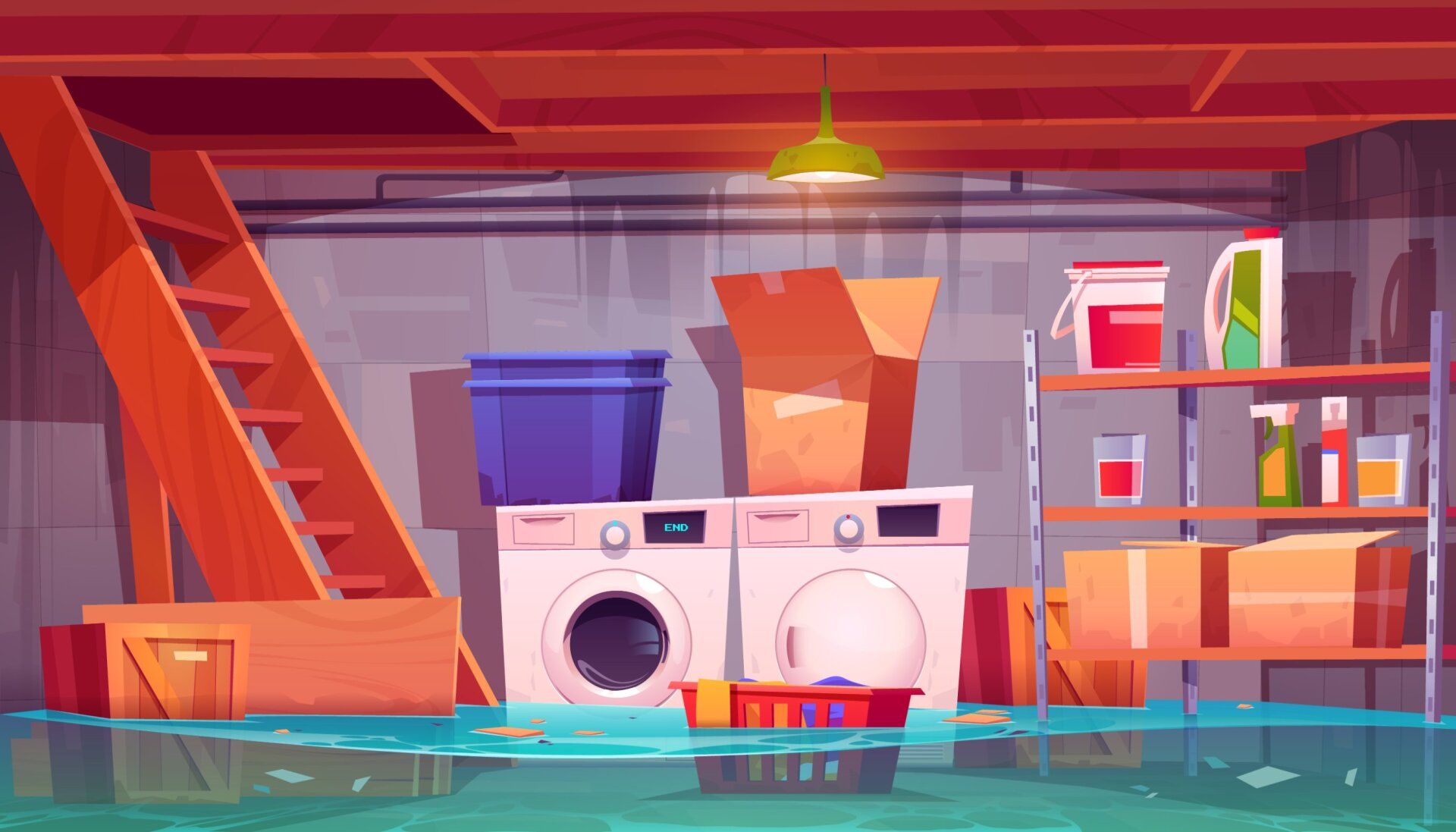
A burst washing machine hose is one of the most common and most preventable causes of water damage in a home. In just minutes, a failed hose can flood a laundry room and cause thousands of dollars in damage. The good news is that with a simple inspection and the right type of hose, you can protect your home before disaster strikes.
Why Washing Machine Hoses Fail
Most standard washing machine hoses are made of rubber, and rubber degrades over time. Heat, water pressure, and age cause the material to crack, blister, and eventually burst. Many homeowners never think about their washing machine hoses until it's too late — and that's exactly how floods happen.
According to industry data, washing machine failures are among the top causes of residential water damage claims in the U.S., with the average claim exceeding $5,000 in repairs. The hose is often the culprit.
Rubber vs. Stainless Steel Braided Hoses
Not all washing machine hoses are created equal. Here's a quick breakdown:
Standard Rubber Hoses
- Inexpensive and widely available
- Degrade faster, especially in hot or humid environments
- Should be replaced every 3–5 years
- More prone to sudden bursting without warning
Stainless Steel Braided Hoses
- Much more durable and burst-resistant
- Typically rated for 5–10 years of use
- Easy to identify by the silver woven exterior
- Recommended by plumbers as the safer upgrade
If your washing machine still has the original rubber hoses that came with it, upgrading to stainless steel braided hoses is one of the smartest, most affordable things you can do to protect your home.
How to Inspect Your Washing Machine Hoses
You don't need to be a plumber to check your hoses. Do this quick inspection every 6 months:
- Pull the machine slightly away from the wall so you can see the hoses clearly
- Check for bulging or blistering — any swollen spots are a major warning sign
- Look for cracks or soft spots along the length of the hose
- Inspect the fittings at both ends for rust, corrosion, or mineral buildup
- Check for kinks — a kinked hose puts stress on the material and weakens it over time
- Feel for moisture around the connections, which could indicate a slow leak
If you notice any of these warning signs, don't wait — replace the hoses immediately or call a licensed plumber.
Pro Tip: Inspecting your hoses is a great habit to bundle with your seasonal home care. Check out our guide on preventing home water damage during spring plumbing prep for more ways to protect your property.
Consider an Automatic Shut-Off Valve
One of the best investments you can make is an automatic washing machine shut-off valve (sometimes called a FloodSafe valve). These devices automatically stop water flow if a hose ruptures or a leak is detected, preventing a small problem from becoming a major flood. They're relatively inexpensive and can be installed quickly by a plumber.
What to Do If a Hose Bursts
If a hose does burst, act fast:
- Shut off the water supply valves behind the machine immediately — they are the two valves (hot and cold) on the wall
- If valves are seized or inaccessible, shut off the main water supply to your home
- Remove standing water as quickly as possible to prevent mold growth
- Document the damage with photos for your homeowner's insurance claim
- Call a licensed plumber to assess the damage and replace the failed hose
FAQ: Washing Machine Hose Questions
How often should washing machine hoses be replaced?
Rubber hoses should be replaced every 3–5 years. Stainless steel braided hoses typically last 5–10 years, but should still be inspected regularly.
How do I know if my washing machine hose is about to burst?
Warning signs include visible bulging, blistering, cracking, soft spots along the hose, rust at the fittings, or moisture around the connections.
What type of washing machine hose is best?
Stainless steel braided hoses are strongly recommended over standard rubber hoses. They are far more resistant to bursting and provide much better long-term protection.
Can I replace a washing machine hose myself?
It is possible for a handy homeowner to replace a washing machine hose, but having a licensed plumber handle it ensures the connections are properly sealed and the correct hose type is used.
Does homeowner's insurance cover washing machine hose damage?
Most homeowner's insurance policies cover sudden and accidental water damage from a burst hose. However, damage caused by a neglected or visibly deteriorating hose may be denied. Regular maintenance is key.
Schedule a Washing Machine Hose Inspection in Burlington, MA
Don't wait for a flood to think about your washing machine hoses. Kirkland and Shaw Plumbing & Heating serves Burlington, Woburn, Wilmington, Bedford, Lexington, and surrounding communities in Middlesex County.
Whether you need a quick hose inspection, an upgrade to stainless steel braided hoses, or help after a burst hose emergency, our licensed plumbers are ready to help.
📞 Call us today at (781) 272-2670 to schedule an appointment.
Steve's Corner - Kirkland and Shaw Blog